
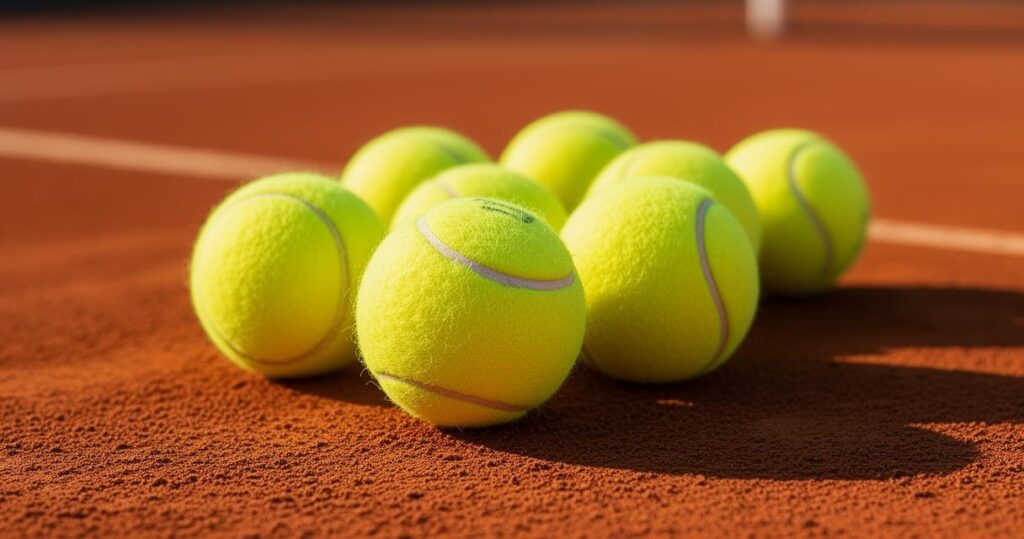
Selecting the correct type of tennis ball can dramatically influence your performance on outdoor courts, whether you are a casual player or a dedicated athlete striving for precision and consistency. With variations in pressurisation, surface compatibility, and intended use, the range of options available today reflects the sport's evolution and the diverse needs of players at every level. Understanding these distinctions not only enhances your game but also ensures that your equipment investment yields the best possible results over time.
Understanding tennis ball categories and court-specific designs
The fundamental classification of tennis balls begins with their internal construction, which determines how they respond during play. Pressurised balls are manufactured with a hollow core filled with compressed air, giving them a lively bounce and a responsive feel that many players prefer for match conditions. However, this design also means that they gradually lose their internal pressure over time, resulting in a softer, less dynamic bounce after extended use or storage. In contrast, pressureless balls rely on their solid rubber core to generate bounce, making them far more durable and consistent over longer periods. While they may feel slightly heavier and less responsive initially, their longevity makes them a popular choice for training sessions and practice drills where frequent ball replacement would otherwise become costly.
Pressurised versus pressureless tennis balls: what affects bounce and durability
The choice between pressurised and pressureless designs hinges on how you intend to use the balls and how often you play. Pressurised balls deliver the crisp, fast-paced action that characterises competitive tennis, offering superior control and spin for players who demand precision. Yet their performance window is finite, as the internal air gradually escapes, diminishing bounce and altering the ball's behaviour. This makes them ideal for matches and tournaments where optimal performance is paramount, but less suitable for extended practice or recreational play spread over weeks or months. Pressureless balls, by contrast, maintain their bounce indefinitely because they do not rely on internal pressure. Their construction makes them excellent for training environments, ball machines, and casual games where durability outweighs the need for championship-level responsiveness. Over time, the felt covering may wear down, but the core remains resilient, providing consistent rebound characteristics that help players develop muscle memory and technique without the distraction of variable ball behaviour.
Choosing the Right Ball for Clay, Hard, and Grass Court Surfaces
Different outdoor surfaces impose distinct demands on tennis balls, influencing their wear rate, bounce height, and overall playability. Clay courts, with their softer, more forgiving texture, tend to slow down the ball and reduce the impact on the felt covering, which can extend the usable life of each ball. However, the granular surface can also cling to the felt, adding weight and affecting the ball's flight. Hard courts, composed of asphalt or concrete topped with acrylic layers, are far more abrasive and accelerate wear on the ball's outer layer, often resulting in a faster loss of felt integrity and a reduction in bounce quality. Grass courts present their own challenges, as the slick surface combined with the natural give of turf produces lower, faster bounces that require balls with a specific felt weave to maintain visibility and control. Manufacturers design certain balls explicitly for these conditions, tailoring the felt thickness, weave density, and core properties to optimise performance on each surface type. Selecting a ball aligned with your primary playing surface ensures that you experience the intended bounce characteristics and reduces the frustration of adapting to unpredictable behaviour caused by mismatched equipment.
Leading Brands and Their Performance Features: Babolat, Dunlop, Wilson, and Yonex
The market for tennis balls is dominated by a handful of established brands, each bringing decades of research and development to their product lines. Babolat, a company synonymous with innovation in racquet sports, produces balls that emphasise consistent rebound and durability, making them a favourite among club players and coaches. Dunlop, another venerable name, offers a range of balls designed for different skill levels and court surfaces, with a reputation for balancing quality and affordability. Wilson, perhaps the most recognised brand globally, supplies balls for major tournaments and has refined its offerings to cater to both competitive and recreational players, focusing on precision engineering and reliable performance. Yonex, while historically more prominent in badminton and racquet manufacturing, has developed tennis balls that appeal to players seeking a different feel and response, often incorporating advanced materials and construction techniques. Each brand's portfolio includes options for various budgets and playing conditions, allowing players to select balls that align with their specific requirements and preferences.
Comparing quality and rebound characteristics across top manufacturers
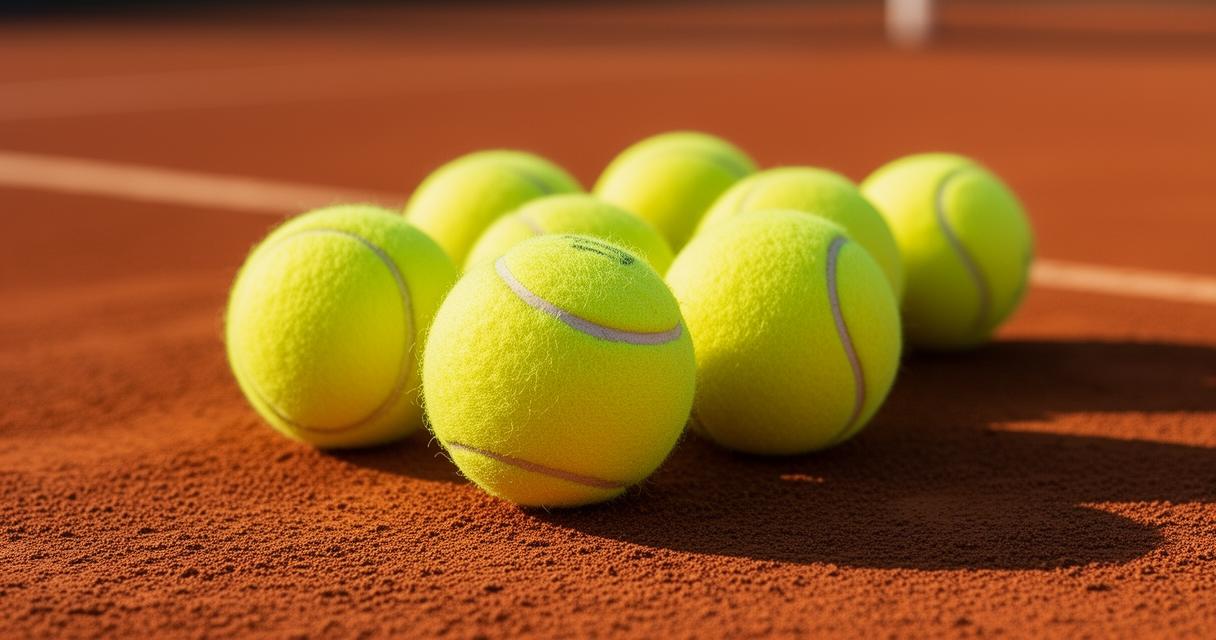
When evaluating the performance of tennis balls from leading manufacturers, rebound consistency stands out as a critical factor. Babolat balls are often praised for their uniform bounce, which helps players anticipate the ball's trajectory and adjust their positioning and stroke mechanics accordingly. Dunlop's range includes models that perform exceptionally well on hard courts, with a felt composition that resists abrasion while maintaining visibility and control. Wilson's offerings are engineered to meet the exacting standards of professional tournaments, ensuring that each ball within a tube delivers nearly identical performance characteristics, reducing variability during play. Yonex has carved out a niche by focusing on innovative core materials that enhance durability without sacrificing responsiveness, appealing to players who prioritise longevity alongside quality. The subtle differences in felt texture, core density, and internal pressure across these brands can influence everything from spin potential to the sound the ball makes upon impact, factors that experienced players often notice and adjust to over time. Testing balls from different manufacturers on your preferred surface can reveal which brand's engineering philosophy aligns best with your playing style and expectations.
Packaging Options: Tubes, Boxes, and What They Mean for Value and Storage
Tennis balls are typically sold in pressurised tubes or larger boxes, each packaging format serving distinct purposes. Tubes, usually containing three or four balls, are sealed to maintain internal pressure until opened, ensuring that the balls remain fresh and ready for immediate use. This packaging is ideal for players who purchase balls frequently or who prefer to have a few tubes on hand for matches and practice sessions. Boxes, on the other hand, often contain multiple tubes or a greater quantity of balls and are commonly used for training purposes or by clubs that require a steady supply for group coaching and recreational play. The per-ball cost is generally lower when purchasing in bulk, making boxes an economical choice for frequent players or coaches managing budgets. However, once a tube is opened, the balls begin to lose pressure, so players must balance the convenience of bulk buying with the reality that unused balls may degrade over time. Proper storage, such as keeping unopened tubes in a cool, dry place and using pressureless balls for extended practice, can help maximise the value of your purchase and ensure consistent performance across sessions.
Specialised Tennis Balls for Training and Development Stages
As tennis has become more accessible to younger players and beginners, manufacturers have developed specialised balls designed to support skill progression and build confidence at every stage. These balls differ in size, weight, and bounce characteristics, allowing players to develop proper technique and coordination before transitioning to standard regulation balls. The introduction of stage-specific balls has transformed junior coaching, making it easier for children to learn the fundamentals of the game in a way that matches their physical development and cognitive abilities. By reducing the speed and height of the ball's bounce, these modified balls create a more manageable learning environment, encouraging longer rallies and more enjoyable play during the early stages of a player's journey.
Red, orange, and green stage balls: supporting children's progression
The international Tennis10s programme has established a colour-coded system to guide young players through progressive stages of development. Red balls are the largest and slowest, designed for the youngest beginners who are just starting to understand the basics of hitting and positioning. These balls have a lower compression and bounce significantly less than standard balls, allowing children to make consistent contact and build confidence. As players grow and improve, they advance to orange balls, which are slightly smaller and faster, bridging the gap between the red and regulation balls. Orange balls encourage the development of more refined strokes and footwork while still offering a manageable bounce that prevents frustration. Green balls, the final stage before full-compression regulation balls, are closer in size and bounce to standard balls but retain a slightly reduced compression. This stage helps players fine-tune their technique and transition smoothly to competitive play without the abrupt challenge that a direct move to regulation balls might present. Coaches and parents who align equipment with a child's developmental stage can foster a more positive and productive learning experience, reducing the risk of injury and burnout while nurturing a lifelong love of the sport.
Training Balls and Practice Aids: Enhancing Skill Development for All Levels
Beyond stage-specific balls for children, the market offers a variety of training balls designed to address specific skill gaps and practice scenarios. Some training balls are engineered to enhance spin, featuring a textured felt or a modified core that exaggerates the ball's rotation, helping players refine their topspin and slice techniques. Others are designed for use with ball machines, boasting exceptional durability and consistent bounce characteristics that withstand thousands of repetitions without significant degradation. Coaches often use foam or sponge balls during introductory drills, as these lightweight alternatives allow beginners to focus on swing mechanics and hand-eye coordination without the intimidation of a fast-moving object. For advanced players, weighted training balls can build strength and improve timing, challenging the muscles and reflexes in ways that standard balls do not. Incorporating a mix of specialised training balls into your practice routine can accelerate skill development, target weaknesses, and introduce variety that keeps sessions engaging and productive. Whether you are a coach structuring a curriculum or a player seeking to elevate your game independently, the strategic use of different ball types can unlock new levels of performance and enjoyment on the court.