
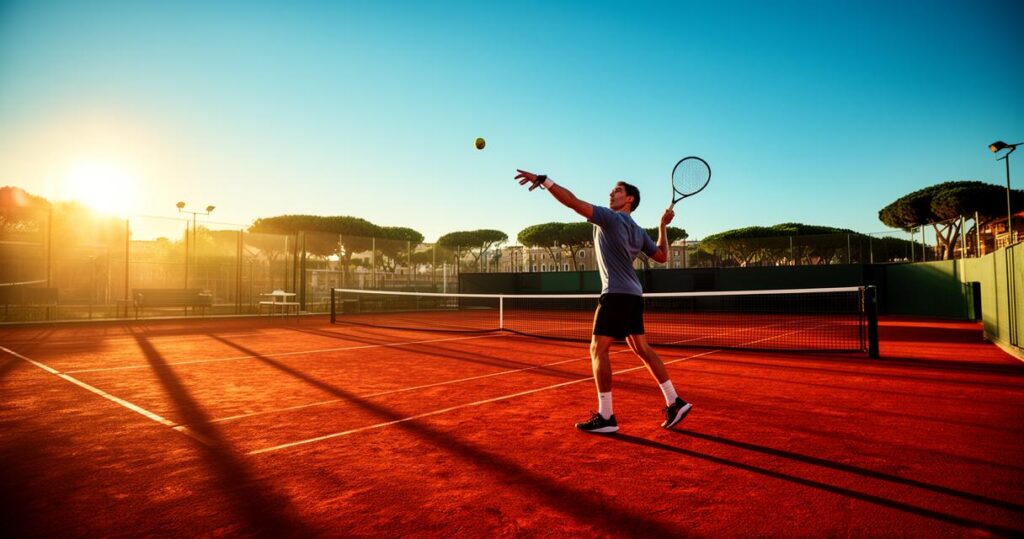
The tennis world has turned its attention once again to the unwavering dedication of one of the sport's most iconic figures, as Rafael Nadal intensifies his preparation in Rome with a renewed vigour that signals both physical readiness and psychological resolve. The decision to train at the break of dawn without protective support on his right leg has become a talking point among fans and analysts alike, sparking conversations about the deeper meaning behind such commitment and the broader rituals that define elite athletic preparation.
The Significance of Dawn Training Sessions in Elite Tennis
Morning training sessions have long held a special place in the routines of professional tennis players, serving as a cornerstone for building mental discipline and physical endurance. The choice to begin work before the sun rises is not merely a logistical convenience; it reflects a deliberate strategy to harness the quiet hours of the day when distractions are minimal and focus can be channelled entirely towards refining technique and conditioning. For athletes competing at the highest level, these early hours offer a sanctuary of sorts, a time when the mind is fresh and the body is primed to absorb the demands of rigorous training.
Why professional athletes choose early morning preparation
The rationale behind pre-dawn sessions extends beyond the mere avoidance of heat or crowded facilities. Research into circadian rhythms suggests that the body's core temperature begins to rise in the early morning, gradually preparing muscles and joints for activity. This natural physiological awakening can be harnessed to optimise performance, allowing athletes to engage in intense drills while benefiting from the body's inherent readiness. Moreover, the psychological benefits of starting the day with a completed training block cannot be overstated. Accomplishing a demanding session before most people have even begun their day instils a sense of achievement and reinforces the discipline required to compete at the pinnacle of professional sport.
Nadal's training philosophy and mental fortitude
Rafael Nadal's approach to training is inseparable from his broader philosophy of resilience and relentless improvement. Throughout his career, he has demonstrated an ability to push through physical discomfort and setbacks, always returning to the court with a determination that has earned him respect across the tennis community. The Rafa Nadal Academy, with its 45 tennis courts, sports medical centre, gym, spa, and athlete residence, provides an environment meticulously designed to support such dedication. Players from around the world, including notable names like Lorenzo Sonego and Jan-Lennard Struff, have utilised these facilities to prepare for upcoming competitions, drawn by the comprehensive training, recovery, and rest environment that the academy offers. Nadal's own training regime, particularly when intensified ahead of major tournaments, reflects a mindset that views every session as an opportunity to gain an edge over rivals. His willingness to wake up early for his second session of the day underscores a commitment that goes beyond physical preparation; it is a ritual that reinforces mental fortitude and a readiness to face whatever challenges lie ahead.
Unprotected leg training: a statement of physical readiness
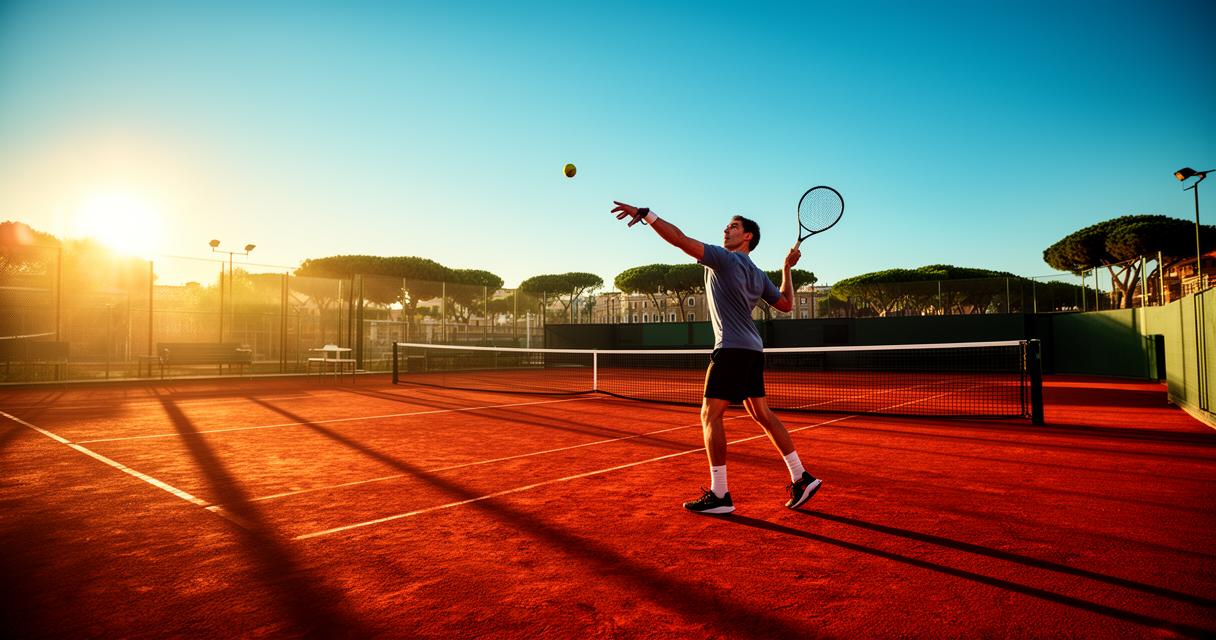
The decision to train without any protective support on his right leg has sparked considerable interest and debate, as it represents a clear signal of confidence in his physical condition. For an athlete with a well-documented history of managing chronic foot pain and various injuries, the absence of bracing or strapping during training is not a trivial matter. It suggests that the recovery process has reached a stage where Nadal and his medical team believe the leg can withstand the demands of full training without additional support. This move is both a practical assessment of physical readiness and a psychological statement, conveying to competitors and the wider tennis community that he is prepared to compete at the highest level.
Understanding the Recovery Timeline and Medical Considerations
Recovery from injury in professional tennis is a complex process that involves not only the healing of damaged tissue but also the restoration of strength, flexibility, and confidence in the affected area. The timeline for such recovery varies depending on the nature and severity of the injury, as well as the individual athlete's physiological response to treatment and rehabilitation. In Nadal's case, forum discussions following a match in Rome against Shapovalov highlighted differing opinions among fans and observers regarding whether his discomfort stemmed from a new injury or was related to his chronic foot condition. Some believe that his ability to resume training quickly indicates that the issue is not a serious new injury, while others argue that chronic pain can flare up without signifying fresh damage. The fact that Nadal has returned to full training without protective support suggests that his medical team has conducted thorough assessments and determined that the leg is sufficiently robust to handle the stresses of competitive preparation. This decision reflects a careful balance between caution and ambition, ensuring that the athlete is neither held back unnecessarily nor exposed to undue risk.
The psychological impact of training without support
Beyond the physical implications, the choice to train without bracing or other protective measures carries significant psychological weight. For any athlete recovering from injury, the moment when external support is removed represents a milestone in the journey back to full fitness. It is a declaration of trust in one's own body and an affirmation that the rehabilitation process has been successful. For Nadal, a competitor known for his mental toughness and ability to overcome adversity, this step is likely to reinforce his belief in his readiness to compete. The act of training unprotected also sends a message to rivals, signalling that he is not hindered by lingering doubts or physical limitations. In the intensely competitive world of professional tennis, where psychological edges can be as important as physical prowess, such statements of confidence are far from superficial. They shape perceptions, influence pre-match narratives, and can even affect the mindset of opponents who must prepare to face an athlete known for his resilience and fighting spirit.
Preparing for Grand Slam Competition and ATP Supremacy
As Nadal intensifies his training in Rome, the broader context of his preparation cannot be ignored. The calendar of professional tennis is defined by its Grand Slam tournaments, and every top player structures their year around peaking for these events. The importance of tournaments such as Wimbledon, Roland Garros, and the Australian Open cannot be overstated, as they offer the most prestigious titles and the greatest opportunities to cement one's legacy in the sport. For Nadal, whose career has been marked by extraordinary success on clay courts and beyond, maintaining his position in the ATP rankings and securing victories on the world stage remains a driving force.
Strategic Preparation for Wimbledon, Roland Garros, and the Australian Open
Each Grand Slam presents unique challenges that require tailored preparation. The clay courts of Roland Garros, where Nadal has achieved unparalleled dominance, demand a particular blend of endurance, spin control, and tactical awareness. Training sessions in Rome, held on similar surfaces, provide an ideal environment for refining the specific skills needed to excel on clay. The grass courts of Wimbledon, by contrast, require rapid adaptation to faster playing conditions and a different style of movement and shot selection. The hard courts of the Australian Open bring their own demands, testing an athlete's versatility and ability to adjust to varying speeds and bounce characteristics. By engaging in intense pre-season training at facilities such as the Rafa Nadal Academy, which offers comprehensive support for training, recovery, and rest, Nadal ensures that every aspect of his game is honed to meet the demands of these diverse surfaces. The academy's role as a hub for athletes from around the world, including both professional players and juniors participating in tournaments, underscores its significance as a centre of excellence in tennis preparation. Notably, junior summer programmes at the academy are currently offering a 15% discount, with last spots available and a free official pack in August, reflecting the institution's commitment to nurturing the next generation of talent while continuing to support elite professionals.
Rivalry Dynamics: Facing Federer and Djokovic in Peak Condition
The narrative of modern tennis has been shaped by the intense rivalries among Rafael Nadal, Roger Federer, and Novak Djokovic. These three players have dominated the sport for over a decade, pushing each other to extraordinary heights and redefining what it means to be a champion. The prospect of facing Federer and Djokovic in upcoming matches adds an extra layer of motivation to Nadal's preparation. Each encounter between these titans is not merely a contest of skill but a test of physical conditioning, mental resilience, and strategic acumen. Forum discussions among fans have highlighted the competitive nature of these players, with some suggesting that the drive to surpass one another's records is as powerful a motivator as the love of the game itself. Whether the focus is on career achievements, Grand Slam titles, or ATP rankings, the presence of these rivalries ensures that every training session, every tactical adjustment, and every moment of recovery is invested with a sense of urgency and purpose. For Nadal, the decision to train without protection on his right leg and to commit to early morning sessions is part of a broader strategy to ensure he arrives at major tournaments in peak condition, ready to compete at the highest level against opponents who are equally determined to claim victory. The debates among fans about whether injuries are chronic issues or new setbacks, and whether athletes are truly impaired or merely managing discomfort, reflect the intense scrutiny that accompanies life at the top of professional sport. Yet through it all, Nadal's resilient nature and career achievements stand as testament to his ability to navigate these challenges and continue to compete strongly on the world stage.